.webp)


Tips for an Energy-Efficient Air Conditioner: Expert Guidance to Reduce Energy Consumption and Lower Your Electricity Bill
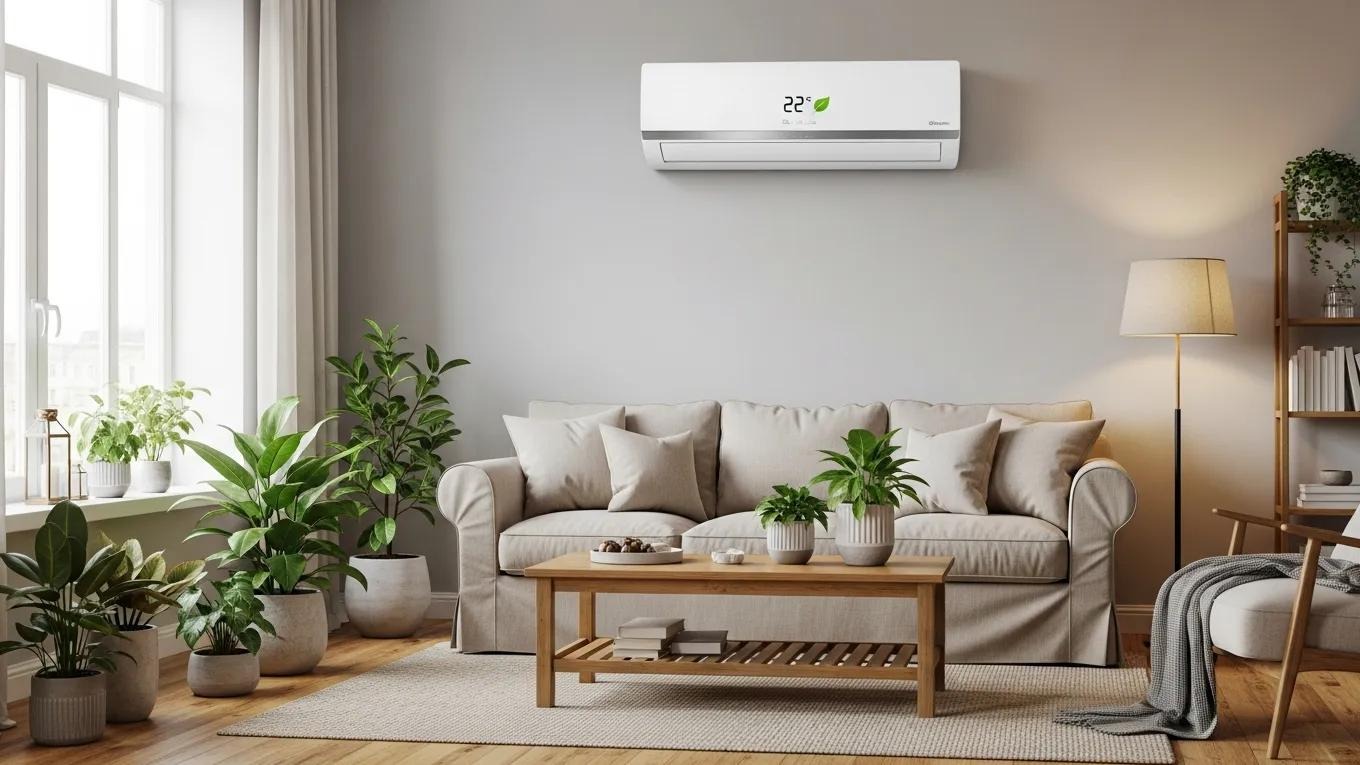
With rising energy costs, we at Scotty's Heating and Air understand how important efficient cooling is for homeowners in Placerville, CA, and nearby areas. An energy-efficient air conditioner not only lowers your electricity bills but also reduces your environmental impact. Our guide offers practical, expert tips to help you optimize your system so you can enjoy reliable comfort without unnecessary expenses. We cover upgrades, smart controls, and regular maintenance, and explain how our team can assist you.
Our suggestions are designed for homeowners and facility managers seeking clear, actionable steps. We highlight what you can do yourself and when it’s best to call our professionals. Simple routine actions can deliver steady savings, while targeted upgrades provide larger, long-term improvements.
Upgrade to High-Efficiency Units
Upgrading to a high-efficiency air conditioner is one of the most effective ways to reduce energy use. Our modern units use advanced components and controls to operate more efficiently than older models. Higher SEER (Seasonal Energy Efficiency Ratio) ratings mean the unit delivers the same cooling with less energy. Choosing an efficient model lowers your bills and helps reduce your home's carbon footprint.
When evaluating models, consider more than just the SEER rating. Features like variable-speed compressors, two-stage operation, and improved fan motors allow the system to run at lower power for longer periods. This improves comfort and efficiency compared to single-speed systems that cycle on and off frequently.
Additional considerations when upgrading include:
- Proper sizing for your home: Matching the unit’s capacity to your home prevents short cycling or excessively long run times, which can waste energy and reduce comfort. We perform load calculations to ensure the right fit.
- Long-term operating costs: While higher-efficiency units may have a higher upfront cost, they often save more money over their lifetime through reduced energy consumption. We help you evaluate these costs to make an informed decision.
- Manufacturer warranties and local incentives: Rebates, financing options, and warranties can reduce your net cost and improve payback. We stay updated on available programs to assist you.
At Scotty's Heating and Air, we provide high-efficiency air conditioning solutions tailored to residential and commercial needs in Placerville, CA, and surrounding communities. We guide you through model selection, expected energy savings, and installation to maximize your investment.
Regular Maintenance
Maintaining your system regularly is key to preserving efficiency. Annual tune-ups reduce the risk of costly failures and extend equipment life. During a visit, our technicians inspect key components, perform cleaning, and make adjustments so your system runs at peak performance. This proactive care prevents small issues from becoming major repairs.
Typical maintenance tasks during a professional tune-up include verifying refrigerant charge, cleaning coils, lubricating moving parts, checking electrical connections, testing airflow and thermostat calibration, and inspecting drainage to prevent water damage. We also identify worn parts that should be replaced before failure.
For homeowners who prefer a mix of DIY and professional care, we recommend a simple maintenance schedule: check and change filters monthly, clear debris around outdoor units seasonally, and schedule a professional inspection at least once a year before peak cooling season. Documenting service visits and repairs helps track system performance over time.
Scotty's Heating and Air offers comprehensive inspections and tune-ups to keep your air conditioning operating smoothly year-round. Our technicians provide written reports and prioritize steps that deliver the greatest efficiency gains first, so you can plan upgrades or repairs within your budget.
Change Air Filters Frequently
Changing air filters frequently is essential for maintaining airflow and efficiency. Clogged filters restrict airflow and force your system to work harder, increasing energy use. Replacing or cleaning filters improves indoor air quality and helps your system cool more effectively.
We recommend checking filters monthly and replacing or cleaning them every 1 to 3 months, depending on usage and filter type, to ensure efficient operation.
Tips for choosing and using filters include:
- Match the filter type to your needs: Basic fiberglass filters are inexpensive but less effective at capturing small particles. Higher-MERV filters capture more particulates but can increase resistance, requiring more frequent changes or system checks to ensure adequate airflow.
- Inspect filters visually: If a filter looks greyed or clogged before the recommended replacement interval, change it sooner to maintain efficiency and air quality.
- Keep spare filters on hand: Having replacements readily available makes it easier to maintain the recommended schedule without interruption.
Proper filter maintenance is one of the highest-return, lowest-effort actions you can take to keep your air conditioner operating efficiently.
Use Smart Thermostats
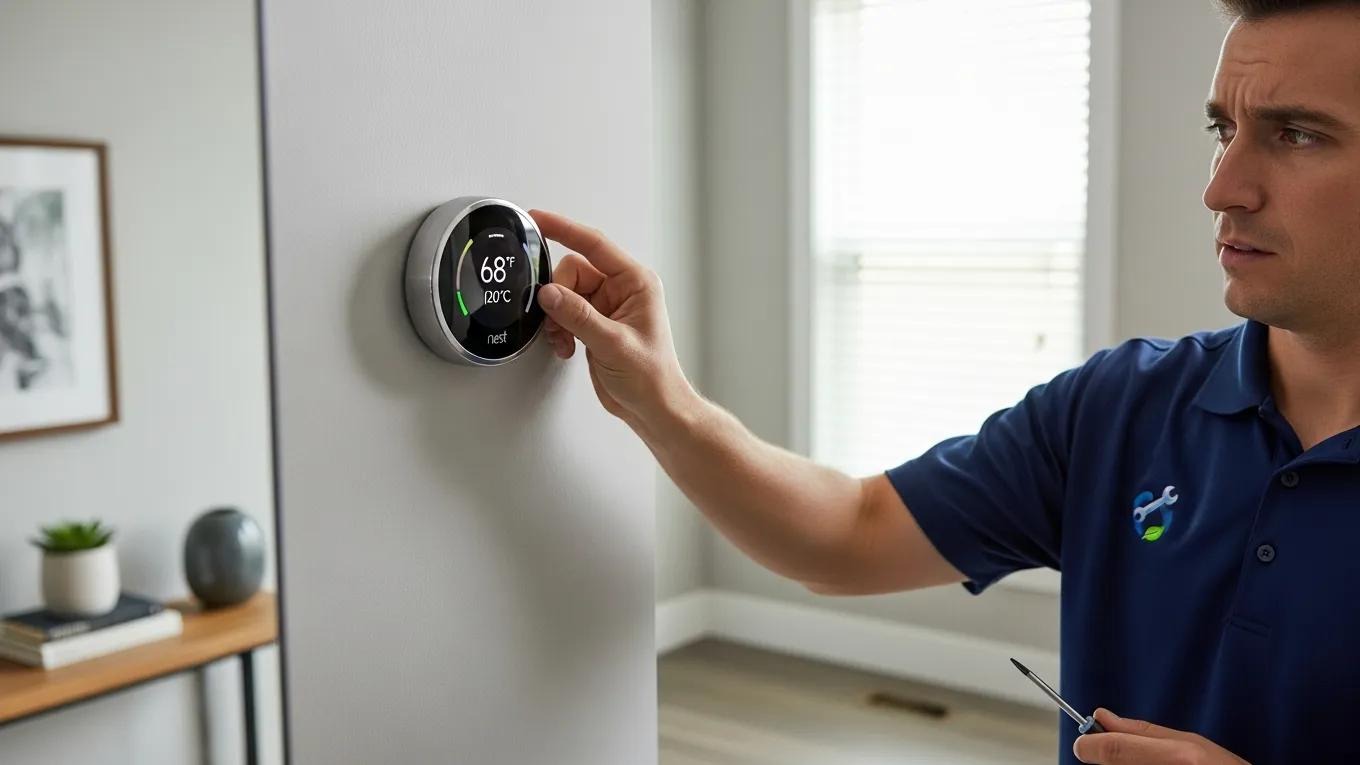
Smart thermostats provide precise control and scheduling to reduce unnecessary cooling. They allow you to adjust settings remotely and set automated schedules that lower energy use when no one is home. Proper programming can deliver consistent savings with minimal effort.
Beyond scheduling, smart thermostats offer features such as geofencing, which detects when residents leave or return, and adaptive algorithms that learn your preferred temperatures and create efficient setpoint patterns. Some provide energy reports highlighting opportunities for savings and identifying unusual runtime that could signal a problem.
Suggested thermostat strategies include:
- Set a modest setback when the house is empty: This reduces energy use while ensuring comfort by returning to your preferred temperature before occupants arrive.
- Use temperature setbacks at night: If you are comfortable sleeping a few degrees warmer, this can save energy without sacrificing rest quality.
- Integrate with sensors or multi-room controls: This helps balance temperature in larger homes where room temperatures vary, improving overall comfort and efficiency.
We at Scotty's Heating and Air can help you select and install the smart thermostat that best fits your home and routine. We also program schedules and preferences during installation so you get the most benefit right away.
Seal Ductwork and Insulate Properly
Sealing ductwork and adding proper insulation are critical for system efficiency. Leaky ducts allow conditioned air to escape before it reaches living spaces, increasing energy waste. Good insulation helps maintain indoor temperature and reduces the load on your air conditioner.
Start with a visual inspection of accessible ductwork in attics, basements, and crawlspaces; look for disconnected sections, loose joints, and visible gaps. Small leaks can often be sealed with mastic or UL-rated foil tape by a professional. Some locations or materials require specialized techniques best handled by trained technicians.
Insulation priorities include:
- Add insulation to poorly insulated attics and walls: This reduces heat gain in summer, helping your system maintain comfortable indoor temperatures more efficiently.
- Insulate ducts in unconditioned spaces: This prevents air traveling through them from losing cooling before reaching rooms, improving overall system performance.
- Seal attic access points, recessed lighting, and other penetrations: Preventing convective heat transfer into conditioned spaces reduces the cooling load on your system.
Investing in duct sealing and insulation improves efficiency and lowers energy bills. Scotty's Heating and Air provides professional duct sealing services, including testing and post-seal verification to quantify improvements.
Keep Vents Clear
Clear vents allow even airflow and prevent your system from overworking. Blocked vents cause uneven cooling and force the air conditioner to run longer. Regularly removing obstructions such as furniture or debris helps maintain proper airflow.
Practical habits to keep vents clear include:
- Perform a quick walk-through of rooms each season: Confirm vents are unobstructed to ensure consistent airflow and comfort throughout your home.
- Use adjustable register dampers to balance airflow: Avoid closing vents entirely, as this can increase pressure in the system and impair performance.
- Keep floor vents free of rugs and furniture: Consider vent extenders where furniture placement is unavoidable to maintain airflow and system efficiency.
Consistently keeping vents clear improves system performance and home comfort while helping your air conditioner reach set temperatures more efficiently.
Adjust Thermostat Settings
Simple thermostat adjustments can produce meaningful savings. Raising the temperature a few degrees when you are away reduces system run time. Using programmable features or schedules ensures the system cools only when needed.
Practical adjustment tips include:
- Create a weekday and weekend schedule: Reflect when people are home and asleep to optimize cooling and energy use.
- Use hold sparingly: Temporary overrides are useful, but long-term holds can negate schedule benefits and increase energy consumption.
- Combine thermostat setbacks with ceiling fans and window coverings: This enhances comfort at higher setpoints, allowing you to save energy without sacrificing comfort.
Small, consistent changes to setpoints and schedules yield ongoing energy reductions without compromising comfort.
Utilize Ceiling Fans
Ceiling fans improve airflow and allow you to raise thermostat settings without losing comfort. Effective air circulation helps the room feel cooler, reducing reliance on the air conditioner and lowering energy use.
Fan best practices include:
- Use fans only when people are present: Fans cool occupants, not rooms, so turning them off when rooms are empty saves energy.
- Set fan direction for summer: Typically counterclockwise to create a cooling breeze that enhances comfort.
- Combine fans with modest thermostat adjustments: This maximizes savings while maintaining comfort throughout your home.
Adding ceiling fans to your cooling plan boosts comfort while reducing demand on your air conditioning system. If rooms feel uneven, reposition fans or add supplemental fans in problem areas to circulate conditioned air more effectively.
Monitor System Performance
Monitoring your system helps catch inefficiencies early. Watch energy bills for unexpected increases, listen for unusual noises, and notice changes in cooling performance. These signs may indicate your system requires attention.
Ways to monitor performance include:
- Keep a seasonal log of utility usage: This helps identify large deviations from typical patterns that may signal inefficiency.
- Observe runtime patterns: Systems running much longer than usual on normal days can suggest airflow or refrigerant issues needing professional evaluation.
- Use smart thermostat reports or add an energy monitor: These tools provide real-time consumption trends to help you track and manage energy use effectively.
Addressing issues early prevents larger repairs and helps keep your system operating efficiently. When in doubt, capture details such as sounds, temperatures, and runtime, and share them with our service team to speed diagnosis.
Consider Zoning Systems
Zoning systems enable temperature control for different areas, reducing energy waste in unused spaces. Dividing your home into zones allows cooling to match occupancy and use patterns, improving comfort and efficiency.
Zoning is especially useful in larger homes, multi-story houses, or spaces with different usage patterns. A properly configured zoning system uses dampers in the ductwork and multiple thermostats to direct conditioned air where it is needed most.
When evaluating zoning, consider:
- Whether rooms are frequently unoccupied while others are in use: Zoning allows you to avoid cooling empty spaces, saving energy.
- Persistent temperature imbalances despite balancing dampers and vents: Zoning can address these issues by providing targeted control.
- Existing duct layout and control compatibility: Determine if zoning is feasible without major ductwork changes to minimize installation costs.
If you are considering a zoning system, Scotty's Heating and Air can provide guidance and professional installation to meet your goals. We also offer a cost-benefit review so you understand potential energy savings and comfort improvements.
What Are the Common Inefficiencies in Air Conditioners That Increase Energy Use?
Common inefficiencies that raise energy use include clogged filters, refrigerant leaks, and improper unit sizing. Each issue reduces system effectiveness and increases operating costs.
- Clogged Filters: Dirty filters restrict airflow, forcing the system to work harder and consume more energy. Regular filter maintenance is essential to prevent this.
- Refrigerant Leaks: Low refrigerant levels hinder cooling efficiency and can cause the system to run longer. Professional diagnostics and repairs are necessary to address leaks.
- Improper Sizing: Units that are too large or too small for the space lead to energy waste through short cycling or extended run times. Proper sizing ensures optimal performance.
Other less obvious causes include duct leaks, poor insulation, obstructed outdoor units, failing capacitors or motors, and thermostat miscalibration. Regular diagnostic checks by our technicians reveal these issues before they cause major efficiency loss.
When troubleshooting inefficiencies, start with simple checks such as filters, vents, and outdoor unit clearance. Escalate to professional diagnostics for mechanical or refrigerant concerns. Document observed symptoms and any corrective actions to aid future service visits.
What Role Does Ductwork Leakage Play in Energy Loss?
Ductwork leakage can be a major source of energy loss. When ducts leak, conditioned air escapes before reaching living areas, increasing run time and energy use. Proper sealing is essential to restore efficiency.
While quantifying leakage requires professional assessment, you can watch for telltale signs such as rooms that never reach setpoint, higher utility usage than expected, and dusty or poorly ventilated spaces. Simple fixes like sealing visible joints can help, but concealed leaks in attics or crawlspaces usually need a professional approach.
Scotty's Heating and Air offers diagnostic testing, including pressure testing where appropriate, and targeted sealing solutions. After sealing, retesting verifies improvements and helps estimate resulting energy savings.
What Are the Best Maintenance Practices to Improve Your Air Conditioner's Energy Efficiency?
Key maintenance practices improve efficiency and reliability. They include regular filter changes, annual professional tune-ups, and cleaning evaporator and condenser coils to ensure effective heat exchange.
- Regular Filter Changes: Replace or clean filters every 1 to 3 months to maintain airflow and system efficiency.
- Annual Professional Tune-Ups: Schedule yearly maintenance with our technicians to catch issues early and keep your system running smoothly.
- Cleaning Coils: Keeping evaporator and condenser coils clean enhances heat exchange efficiency, reducing energy consumption.
Additional maintenance tasks that deliver steady benefits include clearing vegetation and debris from around outdoor units to maintain airflow, inspecting and insulating refrigerant lines exposed to hot attic or crawlspace air, and checking and clearing condensate drains to avoid water damage and microbial growth that can impair operation.
Following these practices helps your system run better and last longer. We prioritize maintenance plans focusing first on high-impact items so you see efficiency gains quickly.
How Often Should You Replace or Clean AC Filters for Optimal Performance?
We recommend checking filters monthly and replacing or cleaning them every 1 to 3 months. Frequency depends on usage, filter type, and indoor air quality. Regular attention prevents restricted airflow and reduces strain on your system.
Special cases when you should change filters more often include homes with pets or smokers, where particulate load is higher; occupants with allergies or respiratory sensitivities who benefit from higher-filtration options; and periods of heavy use such as long hot spells when filters accumulate debris more quickly.
Keeping a log of filter changes helps maintain a consistent schedule and provides useful information for our technicians during service visits.
Why Is Regular Professional Tune-Up Essential for Energy Savings?
Professional tune-ups maintain system efficiency by inspecting and cleaning critical components. Our technicians spot developing problems early, prevent costly failures, and extend your unit's service life, all contributing to energy savings.
We verify system settings and airflow patterns, measure refrigerant levels, and test electrical components under load. These checks identify inefficiencies not apparent from surface inspections and can restore lost capacity without a full replacement.
Choosing Scotty's Heating and Air means working with a reputable service provider who documents findings and provides a clear scope of recommended repairs and their expected benefits. This transparency helps you prioritize investments that yield the best efficiency improvements.
How Can Thermostat Settings and Smart Controls Help Reduce AC Energy Consumption?
Thermostat settings and smart controls lower energy use by automating temperature changes and allowing remote adjustments. Proper settings and schedules align cooling with your routine, reducing wasted run time while preserving comfort.
In addition to standard scheduling, consider integrating humidity control in humid climates and using remote sensors for more accurate temperature measurement in frequently used rooms. Smart controls that respond to occupancy data can reduce cooling in unused areas automatically.
When paired with an overall HVAC strategy—including sealed ducts, balanced airflow, and proper insulation—smart controls magnify system-wide savings and improve occupant comfort with minimal ongoing effort.
What Temperature Settings Balance Comfort and Energy Savings?
Setting the thermostat a few degrees higher when you are away reduces energy use without sacrificing comfort. Trial different settings to find the best balance for your household.
A practical approach is to choose a comfort setpoint for occupied times and a setback setpoint for absences, then adjust slightly based on humidity and personal comfort. Small incremental changes are easier to maintain and less noticeable, yet they add up over time.
Use fans, shading, and ventilation in combination with thermostat changes to maintain comfort at higher setpoints, and re-evaluate seasonally to refine your settings as outdoor conditions change.
How Do Smart Thermostats Optimize Cooling Efficiency?
Smart thermostats learn habits and adjust settings to match occupancy and preferences. Features like remote access, automated schedules, and energy reports help you manage cooling more effectively and reduce consumption.
Other optimization features include adaptive learning that shortens recovery time before occupancy, humidity-aware control, and integration with other smart home systems such as window sensors or occupancy detectors. These features work together to avoid unnecessary cooling while ensuring comfort when it matters.
When Should You Call Professionals to Service Your Air Conditioner for Energy Efficiency?
Contact our professionals at Scotty's Heating and Air when you notice signs of inefficiency, such as unusual noises, rising energy bills, or uneven cooling. Regular professional inspections catch issues before they escalate and help maintain efficient operation.
Specific triggers for calling a technician include a sharp increase in runtime or energy usage without a change in occupancy or weather, persistent temperature imbalances between rooms that simple balancing and vent adjustments don't fix, and strange smells, visible leaks, or water near equipment.
Early intervention often reduces repair costs and restores efficiency faster than waiting for complete equipment failure.
What Are the Signs of an Inefficient or Malfunctioning AC System?
Warning signs of an inefficient or failing system include inconsistent temperatures, visible leaks, and frequent on/off cycling. These symptoms indicate the system may not be performing properly.
- Inconsistent Temperatures: Fluctuating temperatures can indicate issues with the system that require professional evaluation.
- Visible Leaks: Refrigerant leaks can lead to significant energy loss and should be addressed promptly.
- Frequent Cycling: If your system frequently turns on and off, it may be struggling to maintain the desired temperature, increasing wear and energy use.
Other signs include unusually high indoor humidity, elevated dust levels, increased noise from the outdoor unit, and circuit breakers that trip repeatedly when the system runs. Documenting these symptoms and their timing helps our technicians diagnose the root cause quickly.
Promptly addressing the underlying causes restores comfort and reduces extra energy costs associated with inefficient operation.
How Can Scotty's Heating and Air Services Enhance Your AC's Energy Performance?
At Scotty's Heating and Air, we focus on improving energy performance through targeted upgrades and routine maintenance. Our approach keeps systems efficient and occupants comfortable while prioritizing your needs.
Our services include system audits, tune-ups, duct sealing, insulation recommendations, and smart thermostat integration. During an audit, we identify the highest-impact improvements and provide a clear plan with cost and benefit considerations so you can prioritize actions based on your budget and desired outcome.
How Does Proper Duct Sealing and Insulation Contribute to Lower Energy Bills?
Sealed ducts and adequate insulation reduce energy loss and help maintain desired indoor temperatures. Improving these areas lowers the HVAC workload and can lead to measurable savings on energy bills.
In many homes, sealing and insulating are cost-effective measures because they improve the performance of existing equipment without the expense of a full system replacement. They also enhance occupant comfort by evening out temperatures and reducing drafts.
What Are the Benefits of Duct Sealing for Residential and Commercial Properties?
Duct sealing delivers clear benefits for homes and businesses: lower energy use, more even temperatures, and reduced entry of contaminants into the system. These outcomes make duct sealing a cost-effective improvement.
- Energy Savings: Reduced leaks lead to lower energy consumption, which translates to noticeable savings on your utility bills over time.
- Improved Comfort: Even temperatures throughout the space enhance comfort by eliminating hot or cold spots.
- Enhanced Indoor Air Quality: Sealed ducts prevent contaminants from entering the system, contributing to healthier indoor air.
For commercial properties, duct sealing also improves system reliability and reduces peak load demand, lowering operating costs and improving occupant satisfaction. For residential properties, the improved comfort and air quality often pay back the investment through lower operating costs and fewer comfort complaints.
Take the Next Step Toward Energy-Efficient Cooling
Ready to reduce your energy bills and improve your home's comfort? Contact Scotty's Heating and Air today to schedule your professional energy efficiency consultation. Let us help you find the best solutions tailored to your needs in Placerville, CA, and surrounding areas.
Start with simple, high-impact actions like filter changes, thermostat adjustments, and clearing outdoor units. Then consider targeted upgrades such as duct sealing, improved insulation, or a high-efficiency replacement when the time is right. Our staged approach helps you improve comfort and reduce energy use without a large upfront expense.
Customer Testimonials
Hear what our Placerville customers are saying about their experience with Scotty’s Heating & Air.

Great company, great guys, and great equipment! We couldn't be happier with our new HVAC system. It works amazingly well ice cold AC and it is super efficient too. I use these guys for my business and my own house and I would even send them to my grandma's house too. Scott and Tim are rockstars thank you again for helping me out!
We had Scotty’s come out to do a tune-up of our gas heater. The technician adjusted it to burn less gas and protect the longevity of the burner, which we appreciate. The price was reasonable, and we joined their priority services membership.
I called Scotty’s on a Monday to say my system was not working and they were there first thing the next morning to fix my system. Tim was the tech and he did an excellent job. He explained everything he did and my system was up and running again within an hour all for a very reasonable price.
Hottest day so far if the year and my AC stopped working. I called and Scotty called me back within 15 minutes and sent Tim to arrive within an hour. Tim was great, friendly, professional and fixed it quick. I’m so appreciative of their great and fast service!
I absolutely had the best experience! Called at 8am, someone was here by 9:30am and quickly found the problem, he had the part I needed on his service truck and it was replaced and my AC was back up and running in less than 15 minutes! I will be using them again for all my AC/Heating needs!


