.webp)


What to Expect During a Furnace Inspection: A Practical Guide to Safety, Maintenance, and Costs
A professional furnace inspection is a step-by-step check designed to keep your home safe, restore efficiency, and reduce surprise breakdowns. This guide walks through what a technician inspects, why each check matters for safety and performance, and how regular tune-ups extend equipment life and improve indoor air quality. If you live in Placerville, CA, or a similar climate, you'll learn the warning signs that mean call-now service, the inspection schedule we recommend, and the components that most often affect safety—like the heat exchanger and carbon monoxide risk. We’ll also share a technician-level checklist, explain the measurable benefits of inspections, and outline the factors that affect inspection complexity and pricing. By the end you’ll know when to call a pro, what simple maintenance you can do between visits, and how a qualified local provider helps keep your system safe and efficient.
What Is Included in a Professional Furnace Inspection?
A professional inspection usually begins with a visual and operational review of the entire heating system and finishes with instrumented tests to confirm combustion safety and airflow. Technicians check core parts—filters, burners, ignitor, heat exchanger, blower motor, thermostat, venting, and safety controls—to spot wear, leaks, or performance drops that hurt efficiency or create hazards. The inspection mixes observation, measurements (for example, static pressure or CO levels), and functional tests so the furnace is verified to run safely and efficiently. A clear inspection finds immediate safety issues and points to preventative repairs that lower the chance of a mid-winter breakdown. Below we list the technician checklist and show how each check reduces risk and boosts reliability.
What Are the Key Steps in Scotty's Heating & Air Furnace Inspection Checklist?
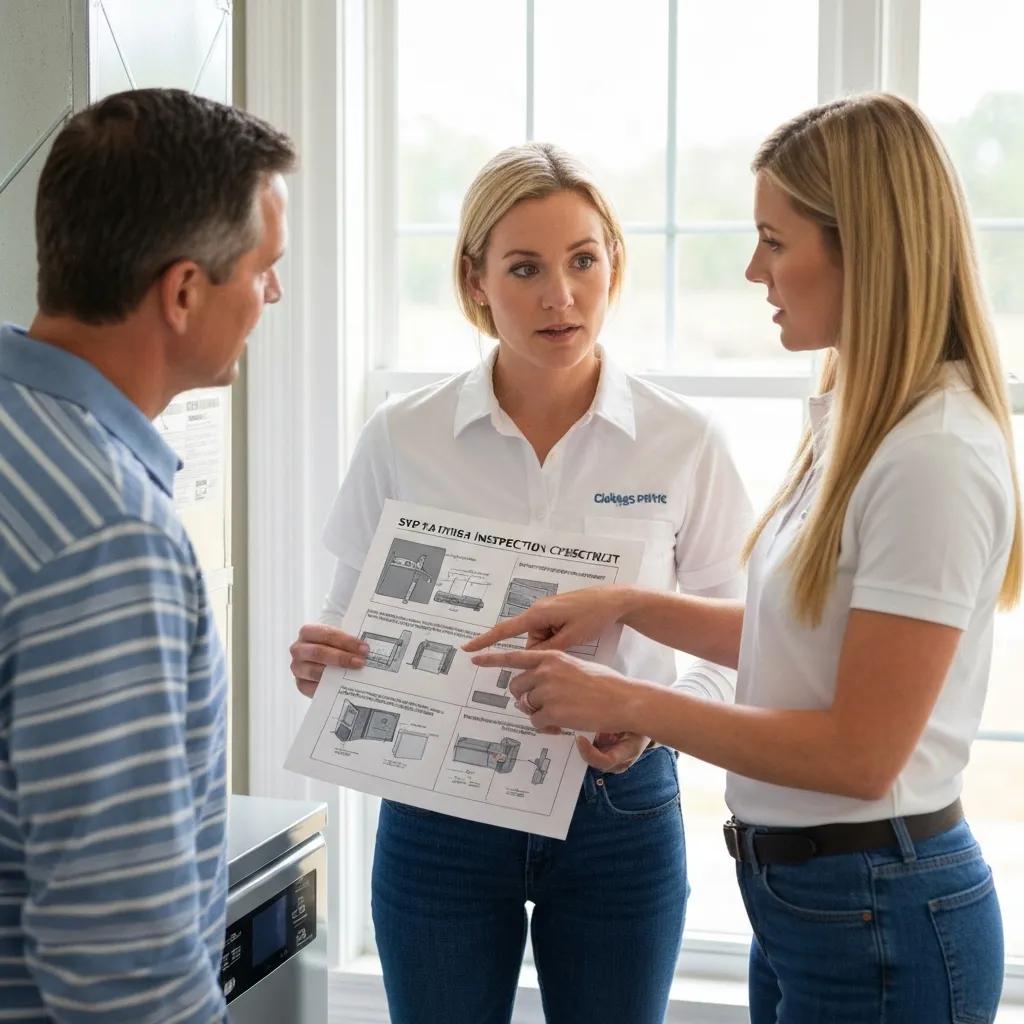
Our standard checklist covers filter inspection and replacement, burner and ignition system checks, heat exchanger examination, vent and flue integrity, blower and motor inspection, electrical and control verification, and safety-control testing. Technicians will clean or replace filters, verify the ignition sequence, check burners for a proper flame pattern, and visually plus instrumentally inspect the heat exchanger for cracks or corrosion. They’ll measure airflow, confirm thermostat calibration, and check vents for blockages or leaks that could let exhaust enter living spaces. These steps catch common problems early and set up any targeted repairs or adjustments needed to restore safety and efficiency. Knowing these procedures helps homeowners understand what to expect during a visit and how each action prevents bigger issues.
- Typical inspection steps: filter check/replacement, burner and ignitor testing, heat-exchanger inspection, vent/flue verification, blower motor evaluation, electrical safety checks, and CO/combustion testing.
- Each check targets specific failure modes that reduce efficiency or raise safety risk.
- The checklist links homeowner-observed symptoms with technician diagnostics so you can connect what you hear and see to professional findings.
When irregularities appear, this sequence prepares the technician to run instrumented diagnostics—moving from visual checks to measurements that pinpoint problems.
Important components technicians inspect:
This table highlights what technicians focus on and why each check reduces hazards while improving system performance.
After these component checks, technicians typically run diagnostic tests and make calibrations to confirm the system performs correctly under load—this ties directly to safety and efficiency outcomes.
Scotty's Heating & Air tune-up details:
Scotty's Heating & Air offers a Heating Tune-Up that follows a detailed inspection checklist like the one above. Our technicians document findings and recommend actions in writing for homeowners. If you prefer scheduled maintenance, the tune-up usually includes the component checks and instrument tests listed here, and you’ll get a written summary of results and any suggested repairs. To schedule an inspection or learn more about the Heating Tune-Up, contact Scotty's Heating & Air by phone to check appointment availability and confirm what your visit will cover.
How Often Should You Schedule a Furnace Inspection and Tune-Up?
We generally recommend an annual furnace inspection and tune-up, ideally before the heating season starts. Seasonal checks catch wear from summer standby and ensure the system runs reliably through colder months. Annual service includes cleaning, calibration, safety testing, and small adjustments that prevent efficiency loss and sudden failures. Increase inspection frequency for older systems, high‑use homes, or properties with pets or poor indoor air quality. Placerville homes often benefit from a pre‑winter check to account for elevation and local temperature swings that can affect combustion performance. If you notice odd smells, visible soot, loud operation, uneven heating, or rising energy bills, schedule an inspection right away rather than waiting for your next tune‑up.
What Are the Recommended Inspection Intervals for Placerville Homes?
For most Placerville homes, an annual inspection before the cold season is the baseline, paired with filter checks every 1–3 months depending on use and filter type. Systems over 15 years old, high‑cycle furnaces in larger homes, or houses with multiple combustion appliances should consider semi‑annual checks to keep a closer eye on wear and combustion safety. Local climate swings—cold snaps or long rainy periods—can stress systems differently, so prioritize a pre‑winter tune‑up and add follow‑up inspections when usage patterns change. These intervals balance preventive care with practical scheduling while keeping safety and efficiency front of mind.
What Signs Indicate Your Furnace Needs Immediate Inspection?
Recognizing red flags lets you take prompt action to avoid safety hazards and costly damage. If you smell gas or a rotten‑egg odor, see persistent soot or yellow/flickering flames, hear banging or grinding noises, or notice rapid cycling and uneven temperatures, shut off the system if it’s safe and call a professional right away. Activation of a carbon monoxide alarm, headaches or flu‑like symptoms when the furnace runs, or visible cracks in the heat exchanger are emergencies that require immediate service and ventilation. Quick action protects occupants and prevents minor problems from becoming major failures.
- Common urgent signs: gas odor, CO alarm activation, unusual noises, visible soot, and uneven heating.
- Immediate homeowner actions: shut off the furnace if you smell gas, ventilate the area, and contact a qualified technician.
- Prompt inspection reduces safety risks and often lowers repair costs by addressing issues early.
Many homeowners find a maintenance plan simplifies staying on schedule:
If you prefer routine scheduling and priority service, Scotty's Heating & Air offers a Maintenance Club to help you keep annual (or as‑needed) inspections on track with reminders and priority booking—reducing the chance of missed preventive care during busy seasons.
What Are the Benefits of Regular Furnace Maintenance and Tune-Ups?
Regular maintenance and annual tune‑ups deliver clear, measurable benefits: better energy efficiency, longer equipment life, improved indoor air quality, and fewer safety risks thanks to early detection of combustion or electrical issues. Maintenance focuses on the parts that matter—clean burners and calibrated valves for efficient combustion, clean filters and balanced airflow to reduce blower stress—which lowers operating strain and cuts premature failures. Industry best practices stress safety checks like heat‑exchanger inspection and CO testing, which directly reduce poisoning risk. Below are the main benefits and how routine inspections achieve them.
How Does Annual Maintenance Improve Furnace Efficiency and Longevity?
Annual maintenance restores optimal combustion and airflow by cleaning burners, calibrating gas pressure, replacing or cleaning filters, and lubricating moving parts. That means the furnace delivers the same heat with less fuel, reducing wear on the blower motor and heat exchanger and slowing overall degradation. Tune‑ups also let technicians catch small issues—loose electrical connections or minor leaks—before they turn into major failures, extending the system’s useful life. Over time, consistent maintenance lowers emergency repairs and helps you get the most life from your equipment.
Key benefits include:
- Improved Efficiency: Cleaning and calibration restore combustion and airflow, cutting energy waste.
- Extended Equipment Life: Early detection of wear reduces stress on parts and delays costly replacements.
- Enhanced Safety: Heat exchanger inspections and CO testing spot hazards before they endanger occupants.
- Better Indoor Air Quality: Filter service, vent cleaning, and balanced airflow reduce particulates and allergens.
How Does Furnace Maintenance Enhance Indoor Air Quality and Safety?
Maintenance improves indoor air quality by keeping filters clean, ducts unobstructed, and ventilation paths working properly—reducing the recirculation of dust, pet dander, and other particles. Technicians check filter size and condition, recommend replacement schedules based on household use and pets, and inspect vents and returns for blockages that upset airflow. Safety gains come from heat‑exchanger checks and combustion testing that reveal cracks, poor draft, or incomplete combustion that could produce carbon monoxide. We recommend pairing any furnace service with properly placed CO detectors and routine alarm testing and battery changes for layered protection.
How maintenance delivers value:
Routine maintenance gives immediate comfort improvements and long‑term protection—and it leads naturally into cost and pricing considerations.
What Is the Typical Cost of a Furnace Inspection and Tune-Up?
There isn’t a single fixed price for inspections and tune‑ups. Cost depends on system age and complexity, accessibility, whether combustion analysis or CO testing is included, and any repairs or parts the technician finds. Deeper diagnostics—like combustion efficiency testing, heat‑exchanger pressure checks, or motor amp measurements—require more time and expertise and affect the price. Reputable providers itemize these factors so homeowners understand which line items cover safety tests, cleaning, calibration, and parts. Asking for an itemized estimate and warranty details before authorizing work is the best way to keep pricing fair and predictable.
What Factors Influence Furnace Inspection Pricing in Placerville, CA?
Local factors — elevation, fuel type, and the prevalence of older equipment — can change inspection complexity in Placerville. For example, higher‑elevation homes sometimes need finer combustion tuning to account for thinner air. Technical factors include system accessibility (tight crawlspaces add labor), non‑standard components that need special parts, and whether the inspection includes extra instruments like CO analyzers or combustion testers. Peak‑season labor demand can also affect scheduling and quoted timelines. Knowing these variables helps homeowners interpret estimates without focusing on a single sticker price.
How Does Scotty's Heating & Air Provide Transparent Pricing and Warranties?
Scotty's Heating & Air emphasizes clear communication: we provide itemized explanations of work, document inspection findings, and explain warranty or repair protection in plain language so homeowners can make informed choices. Our technicians outline which tasks are included in a standard tune‑up, which diagnostic tests are optional, and how recommended repairs relate to safety or efficiency. For full clarity, ask for a written estimate and confirm warranty terms before work begins—this reduces surprises and aligns scope with expectations.
- Transparency practices: itemized quotes, written inspection reports, and clear warranty explanations.
- Technicians connect recommended repairs to tangible safety or efficiency outcomes.
- Requesting written estimates and warranty details before work begins ensures clarity and protection.
Those transparency measures help homeowners choose the right provider—covered next in our local service section.
Frequently Asked Questions
What Should Homeowners Do to Prepare for a Furnace Inspection?
Prepare for a furnace inspection with a few simple steps. Clear the area around the furnace so the technician can work easily. If you have previous inspection reports or service records, have them on hand—they help the tech understand the system’s history. Be ready to describe any unusual noises, smells, or performance issues you’ve noticed; that information helps the technician pinpoint problems faster.
Can Homeowners Perform Any Maintenance Tasks Themselves?
Yes. Homeowners can handle basic tasks that help keep a furnace running smoothly. Regularly check and replace air filters—dirty filters reduce airflow and efficiency. Keep the area around the furnace free of clutter and make sure vents are clear. But leave complex or safety‑critical tasks—heat‑exchanger inspections, combustion testing, gas‑line work—to qualified technicians to ensure safety and code compliance.
What Are the Risks of Skipping Regular Furnace Inspections?
Skipping inspections raises several risks: lower efficiency and higher energy bills, more frequent and costly repairs, and potential safety hazards. Small issues left unchecked can escalate into major failures or complete system loss. More seriously, neglect increases the chance of carbon monoxide leaks, which are dangerous to occupants. Regular inspections catch problems early and help keep the system safe and efficient throughout its life.
How Can Homeowners Identify a Reliable HVAC Service Provider?
Look for licensed, insured technicians with strong local reviews and positive references. Certifications from industry organizations are a good sign, and transparent pricing with written estimates shows professionalism. Clear communication and written inspection reports are important traits of a trustworthy provider. Asking friends, family, or neighbors for recommendations is another dependable way to find reputable local service.
Conclusion
Regular furnace inspections are one of the simplest ways to protect your home’s safety, efficiency, and comfort. Catching small issues early improves indoor air quality, lowers operating costs, and extends equipment life. Schedule an annual inspection with a trusted local provider like Scotty's Heating & Air to keep your system running safely and reliably. Ready to book? Contact us to schedule your furnace inspection and make sure your home stays warm and safe this winter.
Customer Testimonials
Hear what our Placerville customers are saying about their experience with Scotty’s Heating & Air.

Great company, great guys, and great equipment! We couldn't be happier with our new HVAC system. It works amazingly well ice cold AC and it is super efficient too. I use these guys for my business and my own house and I would even send them to my grandma's house too. Scott and Tim are rockstars thank you again for helping me out!
We had Scotty’s come out to do a tune-up of our gas heater. The technician adjusted it to burn less gas and protect the longevity of the burner, which we appreciate. The price was reasonable, and we joined their priority services membership.
I called Scotty’s on a Monday to say my system was not working and they were there first thing the next morning to fix my system. Tim was the tech and he did an excellent job. He explained everything he did and my system was up and running again within an hour all for a very reasonable price.
Hottest day so far if the year and my AC stopped working. I called and Scotty called me back within 15 minutes and sent Tim to arrive within an hour. Tim was great, friendly, professional and fixed it quick. I’m so appreciative of their great and fast service!
I absolutely had the best experience! Called at 8am, someone was here by 9:30am and quickly found the problem, he had the part I needed on his service truck and it was replaced and my AC was back up and running in less than 15 minutes! I will be using them again for all my AC/Heating needs!


