.webp)


How to Choose the Right HVAC System: A Practical Homeowner’s Guide
Picking the right HVAC system means balancing comfort, efficiency, and what works for your specific house so your heating and cooling run smoothly year‑round. This guide walks through residential system types, the technical factors that determine the best fit for your home, how efficiency ratings translate to operating savings, brand trade‑offs common in Placerville, and the installation, maintenance, and financing items that affect long‑term value. You’ll learn how load calculations, local climate, duct condition, and efficiency metrics like SEER, AFUE, and HSPF should shape your choice, and how to prioritize features such as inverter compressors or zoning for better comfort. We also include practical tools—sizing guidance, rating comparisons, and brand notes—so you can compare options with confidence and take the next step with local professional help from Scotty's Heating & Air.
What Are the Different Types of Residential HVAC Systems?
Residential HVAC covers the equipment and controls that heat, cool, and move air through your home. Different system layouts use different components and control strategies to deliver comfort. A split system pairs an outdoor condenser with an indoor evaporator coil and normally a furnace or air handler, circulating refrigerant between them for cooling (and heating when paired with a heat pump). Ductless mini‑splits put compact indoor units in zones and remove the need for central ducts. Packaged units house all major components in a single outdoor or rooftop cabinet for tight spaces. Knowing these types helps match technology to your home’s layout and comfort goals.
Here are the main system types and when each makes sense:
- Split System (central AC + furnace/air handler): Best for homes with existing ductwork; provides whole‑house conditioning through ducts.
- Air‑Source Heat Pump: Efficient for both heating and cooling using a reversible refrigeration cycle; modern models work well in many climates, even at lower temperatures.
- Ductless Mini‑Split: Ideal for additions, garages, or homes without ducts—offers room‑by‑room zoning and easier retrofits.
- Packaged Unit: All equipment in one cabinet—useful where indoor space is limited or rooftop installation is preferred.
These quick comparisons highlight trade‑offs and set up the more detailed look at split systems and heat pumps below.
What Is a Split System and How Does It Work?
A split system has an outdoor condensing unit and an indoor evaporator coil connected by refrigerant lines, plus a furnace or air handler that moves air through your ducts and provides heat when needed.
It works on refrigerant‑driven heat exchange: the outdoor compressor pressurizes refrigerant, which gives off heat at the condenser; the refrigerant then expands and absorbs heat at the indoor evaporator, producing cooling for your house.
Split systems work well in homes with existing ducts because they use that ductwork for even distribution and can pair with gas or electric furnaces for heating—delivering consistent comfort and relatively straightforward servicing.
If you’re considering a central split system, pay attention to duct condition and proper sizing. A Manual J load calculation ensures the system’s tonnage matches your home’s thermal profile and helps avoid efficiency losses from oversizing or short cycling.
How Do Heat Pumps Provide Efficient Heating and Cooling?
Heat pumps move heat instead of creating it, using a reversible refrigeration cycle to pull heat from outside in winter and push it out in summer.
Air‑source heat pumps are common and have improved a lot thanks to inverter compressors that modulate capacity to match demand—smoother comfort and less cycling.
Geothermal (ground‑source) heat pumps use stable ground temperatures to reach higher efficiencies but need more involved installation. Both types report performance with HSPF and SEER ratings to indicate seasonal efficiency.
For many Placerville homes, modern air‑source heat pumps deliver efficient year‑round comfort; pairing them with duct sealing or zoning increases benefits and lowers operating energy.
What Key Factors Should You Consider When Choosing an HVAC System?
Choosing the right system depends on a few linked factors—home size and calculated load, local climate, existing ductwork, indoor air quality needs, and your efficiency goals. Together these determine the equipment and layout that will perform best.
A Manual J load calculation is the technical basis for sizing: it converts your home’s envelope, orientation, insulation, windows, and occupancy into the BTUs or tons required so you avoid the pitfalls of over‑ or undersizing.
Climate determines whether heating or cooling capacity is the priority. In places with mild winters and hot summers, cooling‑focused systems or heat pumps with good SEER and HSPF often make the most sense.
Duct condition and zoning needs will push owners toward a central split system or ductless options, and indoor air quality goals may add ventilators, upgraded filtration, or dehumidification to your scope.
Below is a practical sizing reference—use it only as a starting point. A Manual J will refine these ranges for your specific home.
Larger homes usually need more tonnage and often benefit from multi‑stage or zoned systems; a Manual J will narrow these recommendations to a precise selection.
How Does Home Size and Load Calculation Affect HVAC Selection?
Square footage sets a baseline load, but an accurate Manual J converts your home’s specific characteristics into an exact BTU or ton requirement for the equipment.
Sizing matters because oversized equipment cycles more, dehumidifies less effectively, and shortens component life; undersized units run constantly and can’t keep up with comfort needs.
For example, a well‑insulated 2,000 sq ft home might typically need a 2.5‑ton system, but window area, orientation, and attic insulation can change that number—only a Manual J accounts for those details.
After sizing, a Manual D duct design or duct assessment makes sure the distribution system can handle the airflow the selected equipment produces, tying load calculation directly to ductwork decisions.
How Does Placerville’s Climate Influence Your HVAC Choice?
Placerville has warm summers and cool winters, so homes need a system that performs efficiently across both heating and cooling seasons.
That makes air‑source heat pumps attractive: they provide reliable cooling and increasingly capable heating at lower outdoor temperatures, especially with inverter technology smoothing performance across varying loads.
Humidity control matters during warm months, so proper sizing and coil performance are important for dehumidification. Weigh local climate patterns along with available incentives and installer experience to decide whether a high‑SEER AC, a heat pump, or a ductless zoned approach best fits your household.
How Do Energy Efficiency Ratings Impact Your HVAC System Choice?
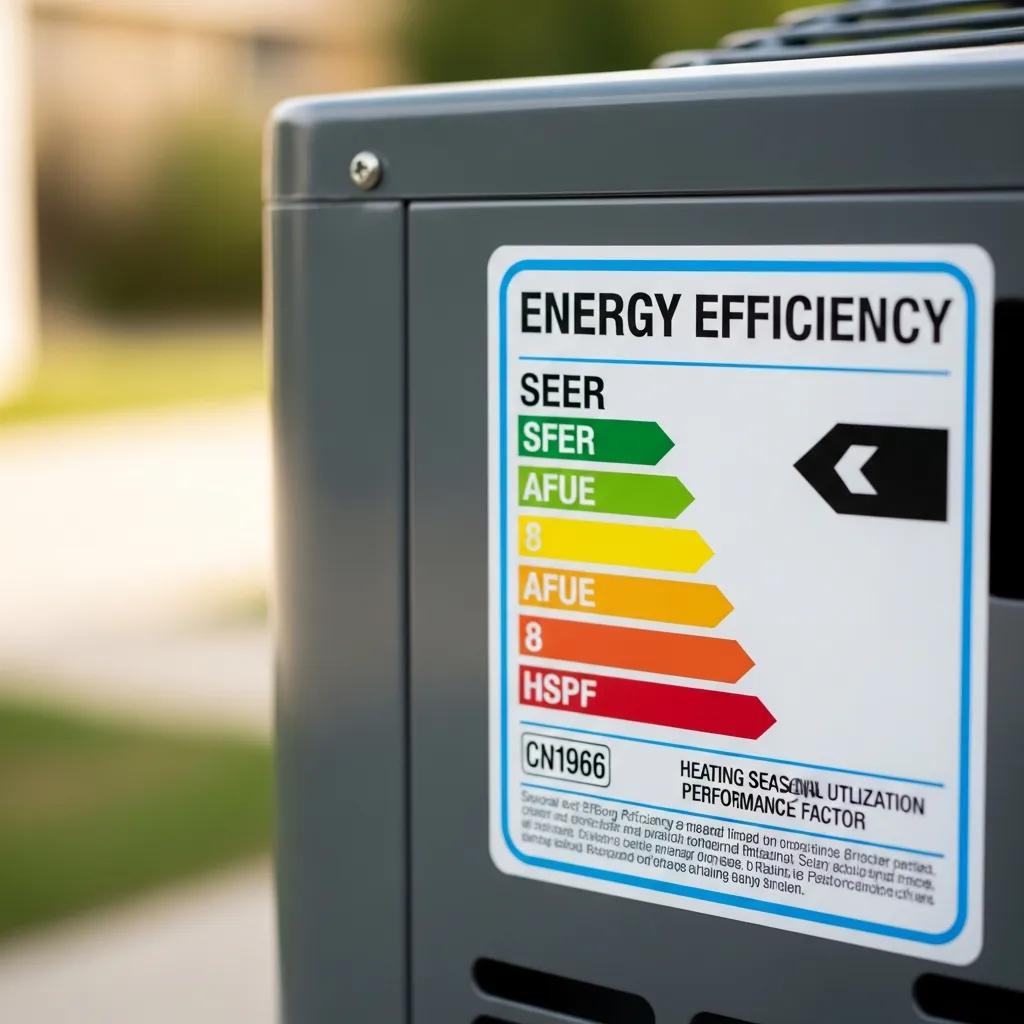
Efficiency ratings show how well equipment turns energy into heating or cooling and are vital when comparing systems for operating cost and environmental impact.
SEER (Seasonal Energy Efficiency Ratio) measures cooling efficiency across a season, AFUE (Annual Fuel Utilization Efficiency) measures furnace combustion efficiency, and HSPF (Heating Seasonal Performance Factor) measures a heat pump’s seasonal heating efficiency—each correlates to annual energy use for that mode.
Higher ratings usually mean lower energy use, but economic benefit depends on climate, fuel prices, and how many hours the system runs. In moderate climates with long cooling seasons, higher‑rated equipment often pays back faster.
This comparison shows how higher SEER/HSPF ratings reduce operating consumption for cooling and heat pump heating, while AFUE is the key number for combustion furnaces. The next section highlights technologies that deliver these ratings.
What Are SEER, AFUE, and HSPF Ratings and Why Do They Matter?
SEER measures seasonal cooling efficiency by comparing total cooling output to the electricity used—higher SEER means less electricity per cooling BTU over the season.
AFUE expresses the share of fuel that becomes usable heat in a furnace—higher AFUE means less fuel wasted up the flue.
HSPF gauges a heat pump’s seasonal heating efficiency—higher HSPF means the heat pump produces more heat for each unit of electricity during the heating season.
These metrics matter because they turn technical performance into real outcomes: lower energy bills, steadier comfort, and a smaller environmental footprint when matched correctly to your climate and load.
Which Energy‑Efficient HVAC Options Are Best for Your Home?
Inverter compressors, heat pumps, and high‑SEER air conditioners offer effective paths to efficiency depending on priorities. Inverter systems vary capacity to match load, reducing cycling and improving part‑load performance.
High HSPF/SEER heat pumps are a strong combined heating/cooling solution in moderate climates, while ductless mini‑splits enable efficient zoning for homes without ducts.
Improving ducts or adding zoning controls enhances the benefits of high‑efficiency equipment by improving distribution and cutting waste.
When choosing, weigh incremental cost against estimated energy savings and check financing or rebate options that can make higher‑efficiency upgrades more affordable.
What Should You Know About HVAC Installation, Maintenance, and Warranty?
Professional installation, regular maintenance, and clear warranty terms form the backbone of system performance and strongly influence lifespan, efficiency, and total cost of ownership.
A professional installation follows steps from site assessment and load calculation to equipment selection, installation, testing, and a homeowner walkthrough—making sure the system is matched to the home and commissioned to perform.
Maintenance preserves efficiency and warranty coverage with tasks like filter changes, coil cleaning, refrigerant checks, and safety tests on a recommended schedule.
Understanding manufacturer versus contractor labor warranties helps you know what’s covered and why using a licensed installer matters for honoring certain warranty provisions.
Here’s a homeowner‑friendly checklist of what you should expect before and after purchase:
- Pre‑install assessment and Manual J: Verify correct sizing and identify any ductwork changes before ordering equipment.
- Quality installation and airflow verification: Confirm correct refrigerant charge, airflow, and system controls during commissioning.
- Post‑install testing and homeowner walkthrough: Review system performance, thermostat operation, and maintenance needs with the homeowner.
- Regular maintenance schedule: Annual tune‑ups for heating and cooling plus routine filter and coil checks to lower failures and preserve efficiency.
Those steps follow industry best practices; the section below summarizes the professional installation workflow and its key checkpoints.
What Is the Professional HVAC Installation Process?
Professional installation starts with a site assessment and a Manual J load calculation to size equipment correctly and avoid the comfort and efficiency issues caused by improper sizing.
Next is equipment selection that considers efficiency ratings, zoning, and duct compatibility, followed by careful installation of indoor and outdoor components, any needed ductwork work, refrigerant charging, and electrical connections.
Commissioning and testing verify airflow, pressures, temperatures, and controls so the system meets manufacturer specifications. A final walkthrough explains operation and maintenance to the homeowner.
Choosing a licensed, insured installer protects workmanship standards, maintains warranty eligibility, and reduces the chance of callbacks—important when planning a major system replacement.
Why Is Regular HVAC Maintenance Essential?
Routine maintenance keeps efficiency high, extends equipment life, and lowers the risk of unexpected breakdowns by catching wear issues early.
Common tasks include filter replacement, coil cleaning, refrigerant checks, thermostat calibration, blower inspections, and safety control testing. Frequency depends on equipment and usage; an annual tune‑up is a good baseline.
Maintenance also protects manufacturer warranty conditions and helps spot small problems before they become expensive repairs, keeping seasonal performance where it should be.
Many homeowners enroll in a maintenance plan for scheduled inspections, priority service, and predictable upkeep—an easy way to protect comfort and your investment over the system’s life.
With installation, maintenance, and warranty basics covered, homeowners often want to understand how budget and financing affect system choices and what local offers can help bridge upfront costs.
How Can Budget and Financing Options Affect Your HVAC System Decision?
Budget and financing determine which system tiers are within reach and influence whether you can choose higher‑efficiency equipment, longer warranties, or ductwork improvements that boost long‑term comfort and savings.
Upfront trade‑offs between initial cost and projected operating savings mean financing can make upgrades—like higher‑SEER units, inverter heat pumps, or full duct sealing—possible today instead of later.
Financing options, rebates, and tax incentives (when available) change the payback timeline for efficiency investments and can make premium systems more attractive financially.
Combine accurate site estimates with financing choices to evaluate lifecycle costs instead of focusing only on the sticker price.
Scotty's Heating & Air offers free replacement estimates and can walk you through financing programs to evaluate efficiency upgrades. Speaking with a licensed local contractor clarifies which options fit your home and budget while preserving warranty and incentive eligibility.
What Financing Options Are Available for HVAC Purchases?
Typical financing routes include contractor‑arranged installment plans, third‑party financing through lending partners, home equity or personal loans, plus rebates and incentive programs that reduce net cost for qualifying systems.
Each path has trade‑offs—interest rates, terms, and qualification rules—that affect whether you prioritize lower upfront cost or lower lifetime cost through efficiency upgrades.
Financing can let you choose higher‑efficiency systems that yield bigger operating savings, shortening payback when combined with rebates or tax credits.
To explore financing and get a free estimate that lays out options for your home, contact a licensed local contractor. For homeowners ready to move forward, Scotty's Heating & Air provides free on‑site consultations, explains financing choices, and schedules licensed installers for assessments. To arrange a consultation or estimate, contact Scotty's Heating & Air by phone at (530) 429-7616 or visit our local profile to read reviews and request service; our team can help with installations, maintenance plans, and warranty explanations tailored to Placerville homes.
Frequently Asked Questions
How can I improve the energy efficiency of my existing HVAC system?
Start with regular maintenance—change filters, clean coils, and keep outdoor units clear. Upgrade to a programmable or smart thermostat to better control schedules. Seal and insulate ductwork and add attic insulation where needed to reduce losses. For older systems, consider retrofits like variable‑speed motors or zoning controls to boost efficiency without a full replacement.
What maintenance tasks should I perform on my HVAC system?
Regular tasks include replacing or cleaning filters every 1–3 months, inspecting and cleaning coils, checking refrigerant levels, and confirming the thermostat works properly. Schedule annual professional inspections to catch issues early. Routine care improves efficiency and extends equipment life.
How can I enhance indoor air quality with my HVAC system?
Use higher‑efficiency air filters to capture more dust and allergens, consider adding an air purifier or UV system, and keep ducts clean. Ensure proper ventilation and humidity control with ventilators or dehumidifiers if needed. Regular maintenance also helps remove accumulated dust and keeps airflow healthy.
Conclusion
Choosing the right HVAC system matters for comfort, efficiency, and long‑term savings. By understanding system types, efficiency ratings, and local climate factors, you can make informed decisions that improve your home. When you’re ready, Scotty's Heating & Air can help Placerville homeowners with free consultations, site assessments, and tailored recommendations—contact us to schedule your estimate and find the best solution for your home.
Customer Testimonials
Hear what our Placerville customers are saying about their experience with Scotty’s Heating & Air.

Great company, great guys, and great equipment! We couldn't be happier with our new HVAC system. It works amazingly well ice cold AC and it is super efficient too. I use these guys for my business and my own house and I would even send them to my grandma's house too. Scott and Tim are rockstars thank you again for helping me out!
We had Scotty’s come out to do a tune-up of our gas heater. The technician adjusted it to burn less gas and protect the longevity of the burner, which we appreciate. The price was reasonable, and we joined their priority services membership.
I called Scotty’s on a Monday to say my system was not working and they were there first thing the next morning to fix my system. Tim was the tech and he did an excellent job. He explained everything he did and my system was up and running again within an hour all for a very reasonable price.
Hottest day so far if the year and my AC stopped working. I called and Scotty called me back within 15 minutes and sent Tim to arrive within an hour. Tim was great, friendly, professional and fixed it quick. I’m so appreciative of their great and fast service!
I absolutely had the best experience! Called at 8am, someone was here by 9:30am and quickly found the problem, he had the part I needed on his service truck and it was replaced and my AC was back up and running in less than 15 minutes! I will be using them again for all my AC/Heating needs!


